

What are the different families of "millets"?
The different "millet" families
Finger millet
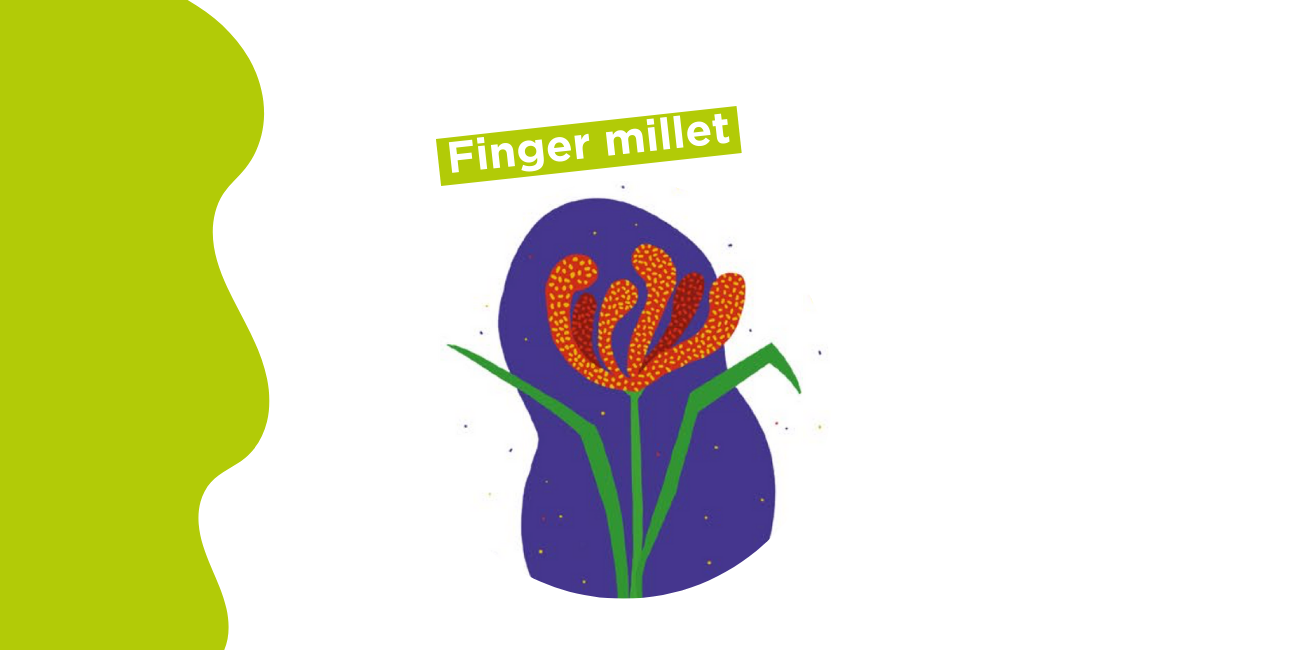 Finger millet, native to Sudan, is characterized by small grains grouped in clusters. Cultivated in East Africa and South Asia, India is the leading producer of this little gem. In Sudan, finger millet is cooked daily as porridge (with yogurt or milk) for breakfast.
Pearl millet
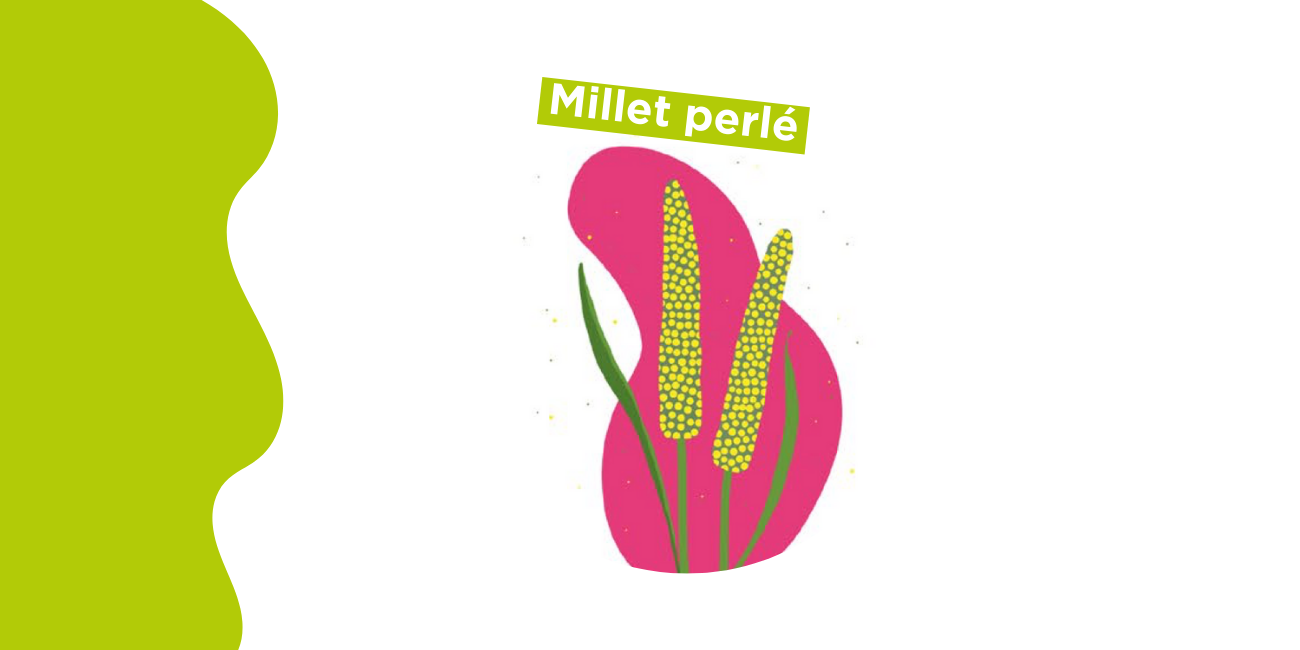 Native to West Africa, pearl millet is distinguished by its small, round grains, resembling pearls (as its name suggests). Popular in sub-Saharan Africa, it is used in the preparation of “mandazi”, a fried bread from East Africa (Tanzania, Kenya, Somalia, Uganda).
Foxtail millet
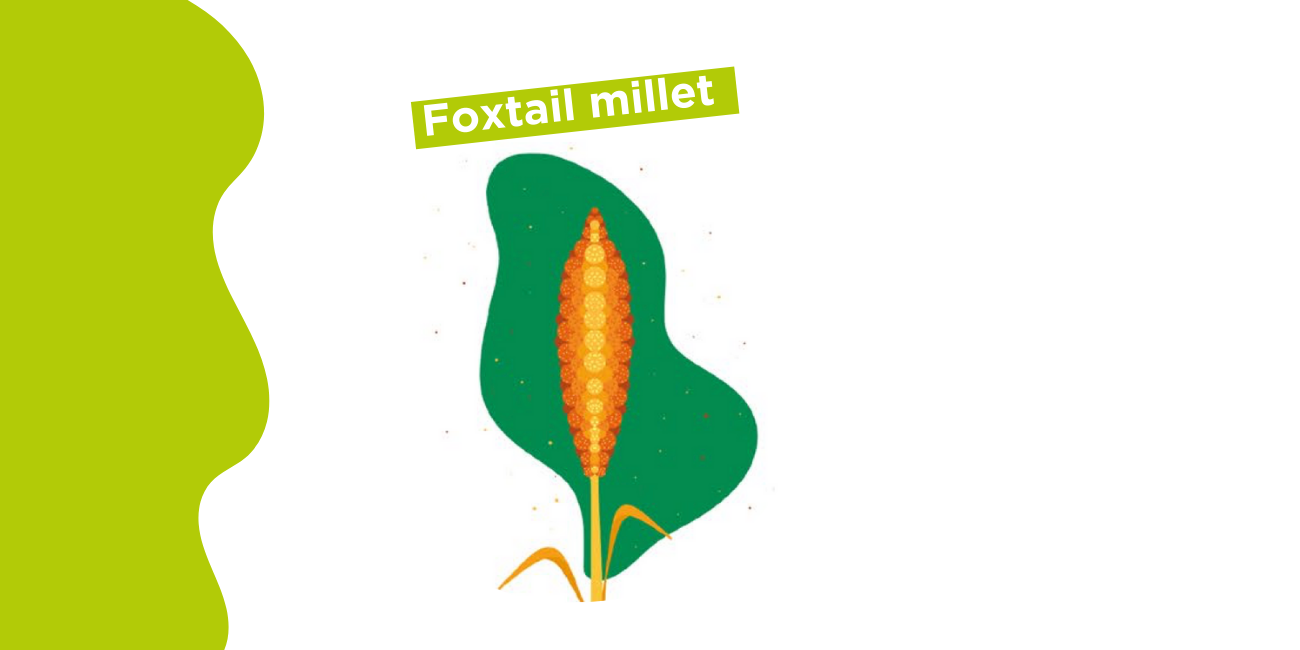 Native to northern China, foxtail millet is characterized by fox-tail-shaped ears. Used in China to prepare a breakfast porridge, foxtail millet plants are relatively small.
Little millet
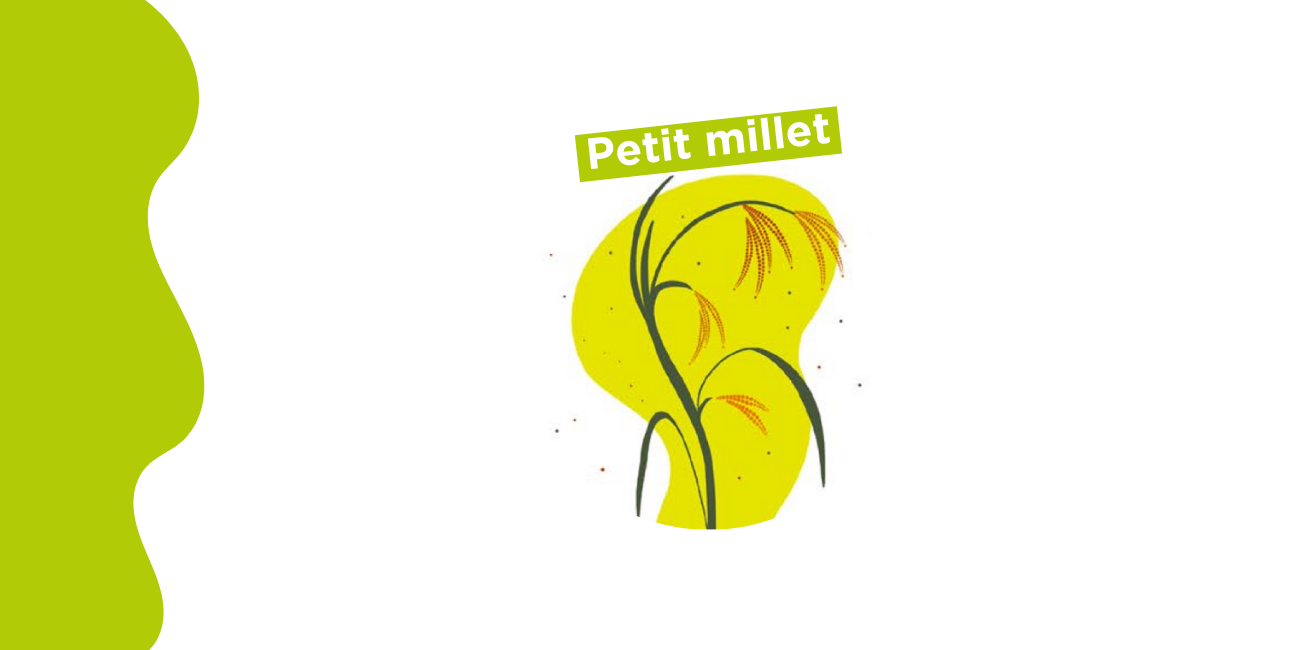 Cultivated in India, Sri Lanka, Myanmar, Malaysia, Nepal, and China, little millet has grains smaller than other types of millet. Samai Upma, a typical and healthy Indian dish, can be prepared with just a few ingredients.
Teff
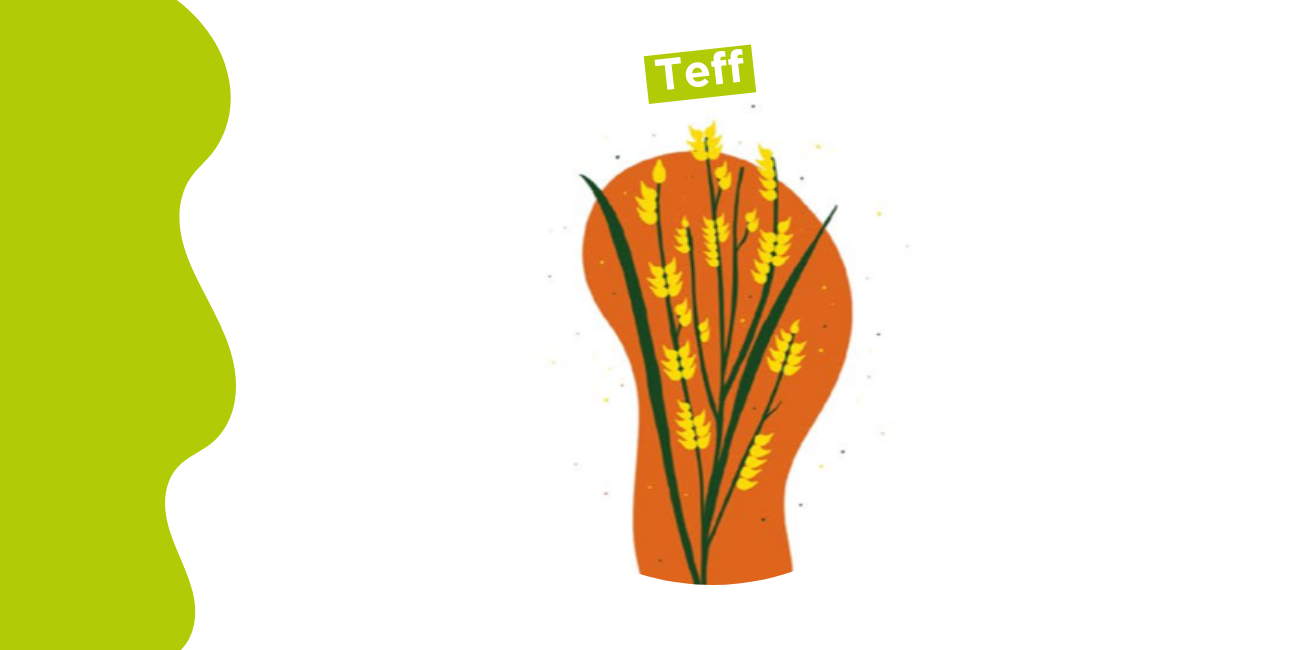 From Ethiopia to Eritrea and even Australia, teff is used to prepare a typical recipe, injera, an Ethiopian bread.
Proso millet
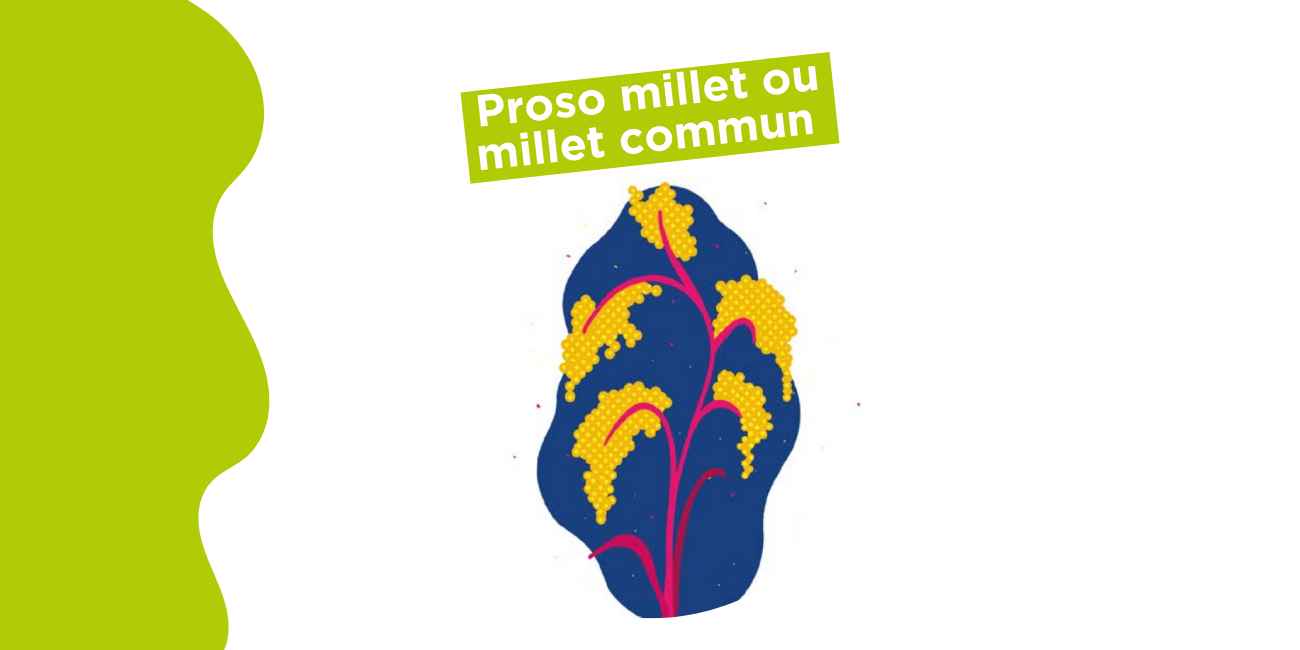 From the Near East to the United States, proso millet has small grains. A classic South Indian recipe is Upma, traditionally eaten for breakfast.
Sorghum
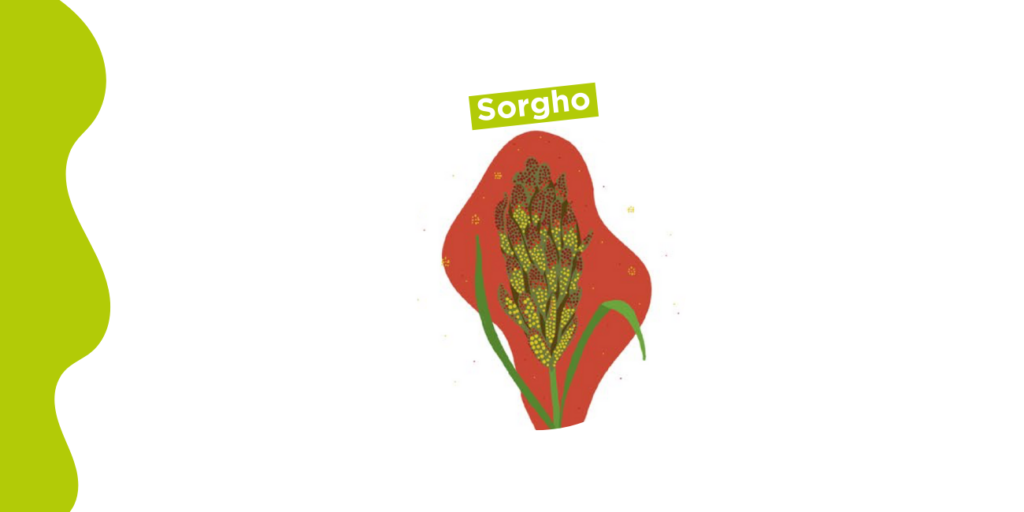 Cultivated from Sudan to Nigeria and the United States, sorghum is a robust plant with thick stems and distinctive seed heads. In East Africa, sorghum is cooked in a bowl with whole grains, garnished with vegetables and meat skewers, accompanied by the Ethiopian Berbere spice blend (cinnamon, allspice, paprika, ginger, chili peppers...).
Black fonio
 Native to West Africa, black fonio is distinguished by its black grains and is cultivated in several countries in the region (Nigeria, Niger, Benin, Cameroon, Côte d'Ivoire, and Togo). In Nigeria, fonio is also called “acha,” which is also a typical dish there.
White fonio
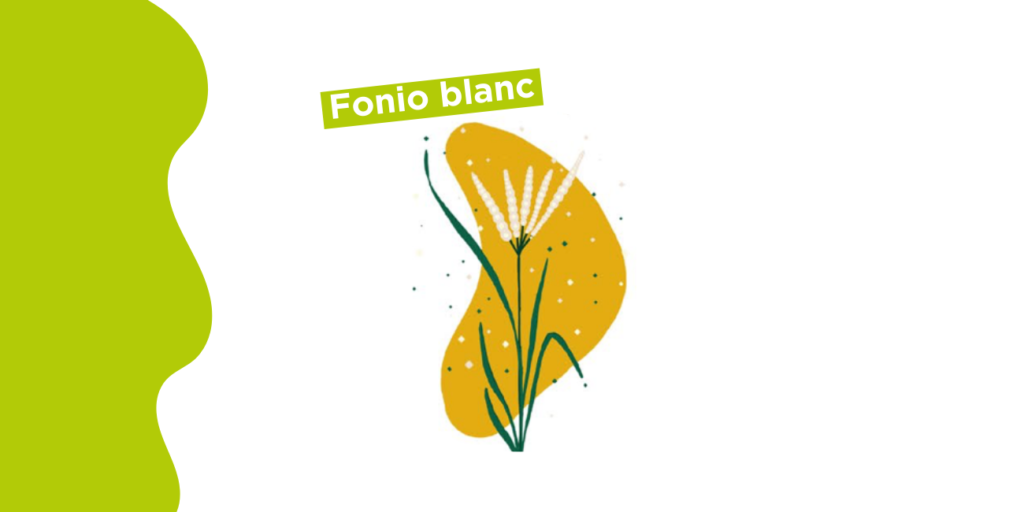 Cultivated in Guinea, Mali, Burkina Faso, and beyond, white fonio is characterized by its fine white grains, often used in the preparation of porridge.
Kodo Millet
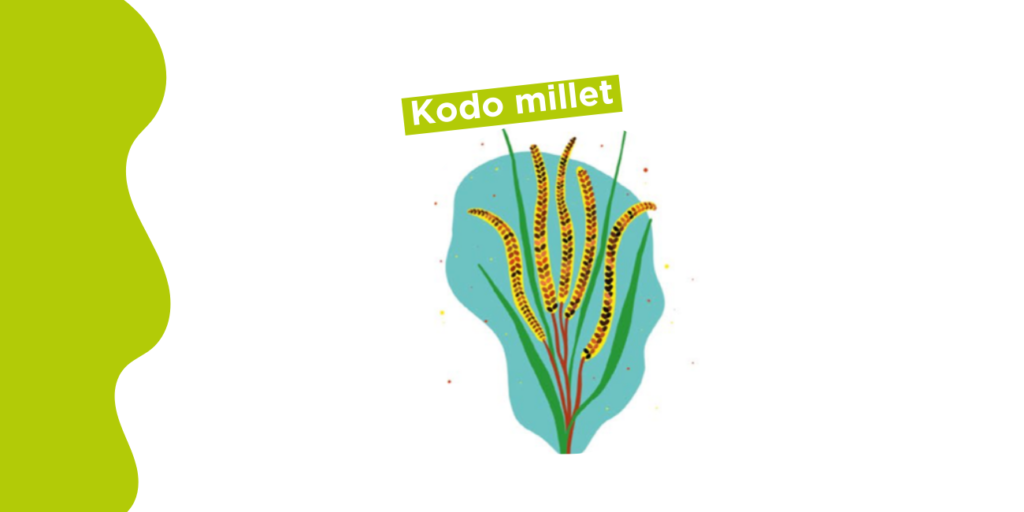 From the heart of India to tropical regions, Kodo millet has medium-sized grains. Native to India, it is used in a recipe called "Pulao," a healthy and flavorful dish prepared with Kodo Millet, vegetables, and Indian spices.
Barnyard millet
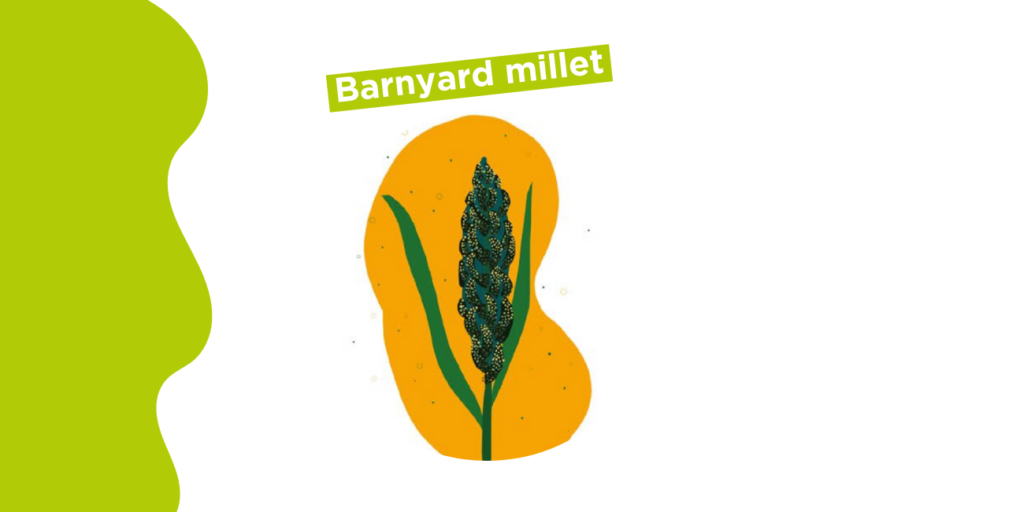 Cultivated from the rice paddies of tropical Asia to India, and also in Korea. Barnyard millet grains can vary slightly in color, but they are generally light-colored, ranging from white to beige.
Job's tears
 Native to Indo-Myanmar, Job's tears are plants characterized by long, thin stems and rosary-shaped spikes, hence their name.
Conclusion
Each variety of millet, with its uniqueness, enriches the global agricultural palette. From resilient small grains like sorghum to the light delights of white fonio. Millets, hardy and adaptable, are cooked in many typical recipes around the world. It should be noted that there are still others.

